



A home can look perfectly fine and still feel invisible to buyers. After 200 days on the market, that problem becomes hard to ignore. Buyers may wonder what is wrong, agents may stop pushing the listing, and every new showing can feel like another reminder that something is not clicking.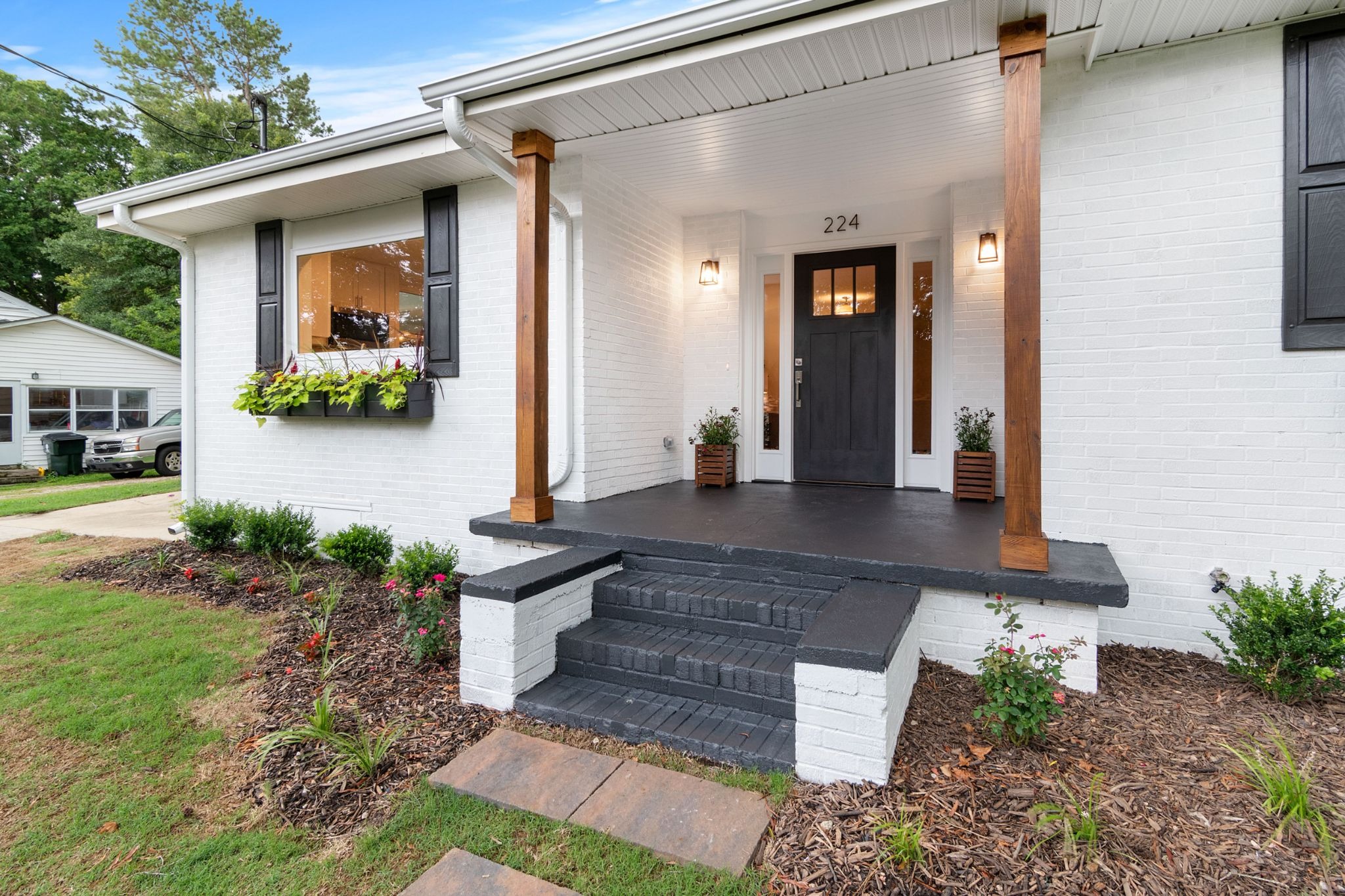
A stale listing does not always need a major renovation. Sometimes it needs a reset. That means looking at the price, presentation, marketing, showing experience, and buyer feedback with fresh eyes. Once those pieces are addressed, a home can get another chance to attract attention.
Start With a Cold Look at What Happened
After 200 days, the first step is to stop treating the listing like it just went live. Review what happened during those months.
Look at the number of showings, online views, offers, cancellations, buyer comments, and agent feedback. Patterns matter. If many buyers liked the location yet complained about the condition, repairs may be holding the home back. If people viewed the listing online but rarely scheduled tours, photos, pricing, or presentation could be the issue.
Ask a simple question: What reason are buyers giving for walking away? The answer can point toward the reset.
Different Path for Selling Your Home
A stale listing can make a traditional sale feel exhausting. If the seller wants to consider another route, talking with Blues City Homebuyers can provide a different perspective on selling the property.
A direct buyer may evaluate the home based on its condition, location, and potential rather than expecting it to compete with polished retail listings. This can be useful for owners who do not want to keep making repairs, staging changes, or waiting through more months of showings.
The key is to compare the options carefully. A seller should understand what each path involves, what work may be required, and how the expected timeline fits their situation.
Price Needs a Fresh Reality Check
A listing can become stale when the price stops matching what buyers see.
Markets change. New competing homes appear, similar properties sell, and buyer expectations shift. A price that seemed reasonable six months ago may no longer create enough interest.
Review recent comparable sales rather than relying on the original listing price. Pay attention to homes that are similar in size, location, condition, and features. Active listings matter too because they show what buyers are seeing right now.
A meaningful price adjustment can sometimes create more attention than a series of small reductions. The goal is not simply to make the home cheaper. It is to make the asking price feel connected to current market conditions.
Give Photos a Second Life
Old listing photos can quietly hurt a home.
If the first images show dark rooms, cluttered spaces, dated furniture, or awkward angles, buyers may move on before reading the description. After 200 days, replacing weak photography can make the property feel new again.
Clean each room before photographing it. Open curtains, turn on lights, remove unnecessary furniture, and photograph spaces from useful angles. Exterior photos should make the entrance look inviting and well-maintained.
A fresh photo set can help create a genuine relaunch instead of making the property look like it has simply been sitting around.
Fix Small Problems That Feel Big
A stale home does not automatically need a full remodel. Focus on details buyers notice quickly.
Start with visible issues: peeling paint, damaged trim, dirty grout, burned-out bulbs, loose handles, overgrown landscaping, or worn entry areas. These jobs may be relatively simple, yet they can change how buyers experience a property.
Walk through the home as if you were seeing it for the first time. Look at every room from the doorway. Notice what catches your eye first. If the first thing you see is a pile of boxes or a stained carpet, that deserves attention.
Create a Stronger Showing Experience
Buyers need room to imagine living in a property.
Too much furniture can make rooms feel small. Personal collections can distract from useful features. Strong odors, excessive decorations, and poor lighting can make an otherwise solid home feel uncomfortable.
Keep the presentation clean and calm. Make beds, clear counters, remove trash, and let natural light into each room. If the property is vacant, simple staging can help buyers understand scale and purpose.
The showing should answer an important question without requiring much imagination: Could I see myself living here?
Change More Than One Variable
Making one tiny change after 200 days may not create enough momentum.
Consider combining a refreshed price strategy with new photography, cleaner staging, updated marketing copy, and targeted repairs. A relaunch works best when buyers can see that something has changed.
The listing description deserves attention too. Replace tired phrases with clear details about improvements, useful features, location, layout, storage, outdoor space, or recent maintenance. Avoid filling the description with empty sales language.
A fresh listing should feel fresh from the first photo to the last sentence.
Watch What Happens After Relaunch
Once changes are made, track the response closely.
More online activity can show that the new presentation is attracting attention. More showings can indicate that pricing and marketing are reaching the right buyers. If showings increase while offers remain absent, condition or price may still need another review.
Give the new strategy enough time to produce useful feedback, then make decisions based on actual response rather than frustration.
Fresh Start Can Still Happen
Two hundred days on the market does not mean a home has no path forward. It means the original strategy has not produced the desired result.
A stale listing deserves an honest review, not automatic panic. Revisit the price, improve presentation, replace weak photos, address obvious repairs, strengthen the marketing, and consider alternative selling routes when they fit your goals.
The strongest reset is one built around evidence. Find out where buyers are losing interest, fix what matters, and give the property a clearer reason to earn attention again.
Frequently Asked Questions
1. Is 200 days on the market too long?
Two hundred days is a long marketing period in many markets, though local conditions vary. A long listing period is a signal to review pricing, condition, presentation, competition, and buyer feedback.
2. Should I remove my listing and put it back later?
A relaunch can make sense when there are meaningful changes to the strategy. Simply removing and reposting the same listing without addressing its problems may not change buyer response.
3. Do I need to renovate before relisting?
Not necessarily. Prioritize repairs and improvements that affect first impressions, safety, cleanliness, or buyer confidence. Large renovations should be considered carefully against local market conditions.
4. Can a home still sell after sitting for months?
Yes. Homes can sell after long listing periods when pricing, presentation, condition, or marketing changes. The right reset depends on why buyers have been passing on the property.