



A new roof is one of the most significant investments you can make for your home. You want to know that the money spent today will protect your family for decades to come. Modern materials are designed to be tougher than ever - but their actual life expectancy depends on several variables. Understanding these factors helps you plan for maintenance and future replacements. While some roofs last 20 years, others might last over a century with the right care.
Choice of Material
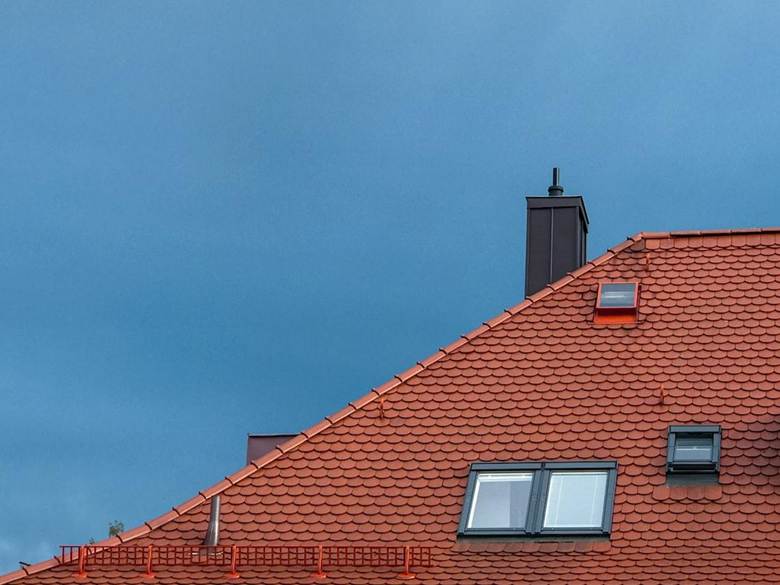
The specific product you choose is the primary predictor of how long your shelter remains intact. Standard 3-tab shingles typically last 15 to 20 years, while architectural or dimensional shingles last 25 to 30 years or more, according to recent industry data.
If you want something that lasts a lifetime, you might look at premium options. Hard slate can last 100 to 150 years and often outlives the building itself, as noted in a recent roofing guide.
Quality of Installation
Even the most expensive tiles or shingles will fail if they are not put on correctly. Proper technique makes certain that every layer works together to keep water out. One professional report mentioned that a significant influence on roof lifespan is the quality of the original installation. If the crew cuts corners, you might see leaks within just a few years. An improper roof installation can cut the expected lifespan of your system by half.
The experts from MyDiscountRoof.com and similar sites provide high-quality workmanship to make certain your investment stands the test of time. Choosing a reliable team means your materials can actually reach their full potential. Mistakes during the setup phase are often invisible until a major storm hits. Poor nailing patterns or mismatched flashing can lead to hidden rot that destroys your decking before you even notice a drip.
Attic Ventilation
Airflow under your roof deck is just as important as the shingles on top. Without a way for hot air to escape, your attic becomes a furnace in the summer. Poor ventilation causes heat and moisture to build up in your attic, leading to rot and mold that can weaken the structure, according to home maintenance researchers. This heat also bakes the shingles from the inside out. This causes them to become brittle and lose their protective granules much faster than they should.
In the winter, poor airflow leads to ice dams. When heat escapes from the house into the attic, it melts the snow on the roof. That water then refreezes at the cold eaves, creating a block that forces water back under your shingles. Proper intake and exhaust vents balance the temperature and keep the wood dry.
Local Climate and Weather
The environment where you live determines the daily stress your house must endure. Intense sun, heavy snow, and high winds all take a toll on external surfaces. Metal and concrete tiles resist cracking and impact better than other choices, so they often last longer in harsh areas.
If you live near the coast, salt air can also play a role in how materials age. Climate change is bringing more frequent heavy rainfall that tests waterproofing and leads to water pooling. This constant moisture can lead to mold growth and early failure if the system is not designed for heavy rain.
- High UV exposure breaks down chemical bonds in shingles.
- Freeze-thaw cycles can cause cracks in tile and masonry.
- Heavy wind can lift shingles and break the water seal.
- Salt spray accelerates corrosion on certain metal components.
Regular Maintenance Habits
Ignoring your roof for years is a recipe for an early replacement. Small issues like a loose flashing or a few missing shingles can turn into major leaks if left alone. Clearing your gutters is another simple task that makes a big difference. When gutters clog, water backs up under the edge of the roof.
This leads to rotted wood and damaged fascia boards. Keeping the surface free of debris prevents moss and algae from holding moisture against the materials. Moss is especially dangerous because its roots can lift shingles and allow water to seep underneath. Annual inspections help you catch these tiny problems before they require a massive check to fix.
Color and Heat Absorption
The color of your roof affects its temperature and how fast it degrades. Darker colors absorb more heat from the sun than lighter colors. This extra heat can cause the materials to expand and contract more frequently. These constant thermal shifts put stress on the seals and the shingles themselves.
In very hot climates, choosing a lighter shade or a reflective coating can help extend the life of the system. New coating technologies are currently transforming metal roofing by enhancing durability and energy efficiency. These modern finishes reflect UV rays and keep the entire structure cooler, which prevents the material from becoming brittle over time.
Slope and Drainage
The pitch of your roof determines how fast water and debris move off the surface. Steep roofs shed water quickly, which reduces the chance of leaks. Flat or low-slope roofs are more prone to standing water. If water stays on the surface for more than 48 hours, it can soak through the layers.
Materials used for flat roofs are different because they must be completely watertight. However, even these systems fail faster if the drainage pipes are blocked. Ensuring that water has a clear path to the ground is helpful for longevity. Gravity is your best friend when it comes to keeping a dry home.
Because the price is so high, it makes sense to maximize the life of your current system. By picking the right materials and keeping up with small repairs, you can avoid the stress of an early replacement. A well-maintained roof keeps your home safe and your energy bills lower for many years.





