



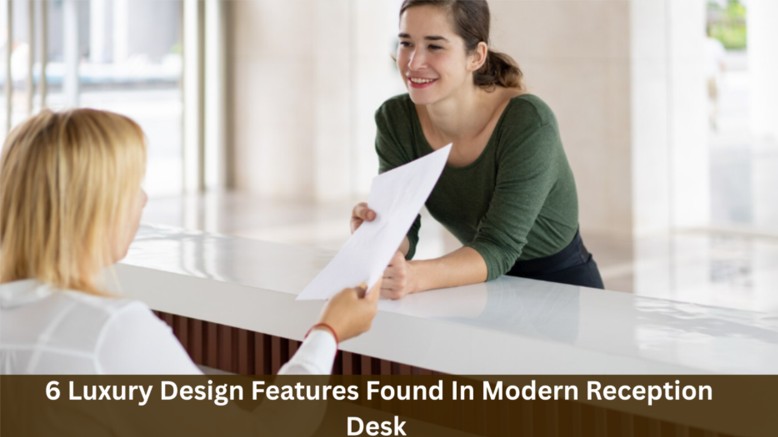
First impressions in the office setting are created in just a matter of seconds, and the reception area contributes significantly to shaping that perception. Nevertheless, most companies have the problem of outdated reception desks, which have limited functionality and do not represent the brand’s professionalism.
Once the front desk is seen as disorganized or poorly designed, the visitors may question the overall company organization and the quality of the business. This is where modern reception design is required.
A well-designed reception desk creates a welcoming and efficient workspace that combines visual appeal with functionality. Luxury features now focus more towards durability, smart storage, refined finishes, and thoughtful design aspects that enhance the aesthetics and usability of the amenities.
The article discusses six luxury design elements that are common in contemporary reception desks and their role in enhancing appearance and functionality in the workplace.
1. Premium Materials and Solid Construction
High-end reception areas usually start with furniture made of durable and refined materials. A modern reception desk is usually made of solid wood, engineered wood, or stone-like surfaces, which offer durability as well as visual depth.
Such materials form an instant first impression of the office as more professional and polished. Moreover, high-quality finishes are used to ensure that the desk maintains its appearance over time.
Wear marks are minimized by using scratch-resistant finishes, smooth surfaces, and well-designed edges. Consequently, the desk remains visually appealing even in busy reception areas where durability is crucial.
2. Sleek Minimalist Design Lines
Luxury reception desks usually depend on clean and balanced design lines. Modern designs are characterized by smooth surfaces, sharp edges, and well-proportional structures, which form a relaxed and organized visual representation as opposed to heavy decorative elements.
This minimalist design enables the desk to easily blend with other interior styles. The structure feels professional and does not overcrowd the space, regardless of whether it is installed in corporate offices, clinics, or showrooms.
Moreover, the simple design lines enhance visual clarity in the reception area. Thus, the reception point is easily identified by visitors, while the open design helps in making the place appear spacious and well-structured.
3. Integrated Storage and Workspace Organization
Reception desks should support day-to-day administrative work, while keeping the place neat and organized. Luxury designs thus incorporate built-in storage facilities that store vital items without causing clutter.
Drawers, cabinets, and concealed compartments provide space for documents, office supplies, and commonly used equipment. This systematic arrangement enables reception personnel to operate effectively at peak hours.
Meanwhile, a hidden storage maintains a clean and professional look. When the paperwork and other tools are stored out of sight, the reception area appears more organized and attractive to visitors who are entering the workspace.
4. Layered Countertop Structure
Luxury reception desks are commonly designed with a layered countertop design that separates the visitor interaction area from the workspace of the receptionist. The front desk is normally at a slightly elevated level so that the visitors can easily sign forms or communicate with reception personnel.
At the back of this section, there is a lower work surface that gives computer, telephone, and office gear space that is utilized during daily operations. This division ensures that the working space is well organized while maintaining a clean look to the visitor.
Concurrently, the layered design gives depth to the structure of the desk, giving it a sophisticated and professional look in the reception area.
5. Built-In Lighting and Visual Accents
Lighting has also become a significant design consideration in modern reception furniture. Most luxury desks have integrated lighting systems to improve the ambiance and visibility.
The use of soft LED lighting in the front panels or the bottom of the desk can also emphasize architectural features and provide a welcoming glow in the reception area. This subtle lighting makes the desk stand out as the center of the space.
In addition, accent lighting improves visibility during evening hours or in offices with limited natural light. Instead of relying only on overhead lighting, integrated illumination adds dimension and warmth to the overall environment. This feature contributes to a modern, polished atmosphere that visitors immediately notice upon arrival.
6. Technology-Friendly Design Elements
Digital tools are an important part of modern offices, and reception desks should facilitate this technology without excessive cluttering. Luxury reception desks are equipped with technology-friendly features that make daily operations easier.
Cable management systems enable the wires and power cords to be concealed without unplugging the devices. Inbuilt outlets and charging ports are convenient for accessing power to computers, tablets, and mobile devices.
These features facilitate a clean workspace and also uphold modern communication tools. By keeping cables in order and equipment in place, the reception desk always appears well-organized and professional. This brilliant idea makes technology improve the working area rather than interfere with its aesthetic.
Conclusion
A reception desk is more than just a functional piece of furniture. It represents the first physical interaction visitors have with a business environment. Because of this, modern reception desks now focus on both visual impact and practical usability.
Luxury design features such as premium materials, minimalist structures, integrated storage, layered countertops, accent lighting, and technology-friendly layouts work together to create an efficient and welcoming front desk. These elements not only improve daily workflow for reception staff but also help businesses present a polished and organized image.
When carefully designed, a modern reception desk becomes a central design feature that supports productivity while reinforcing professionalism from the moment visitors enter the space.