



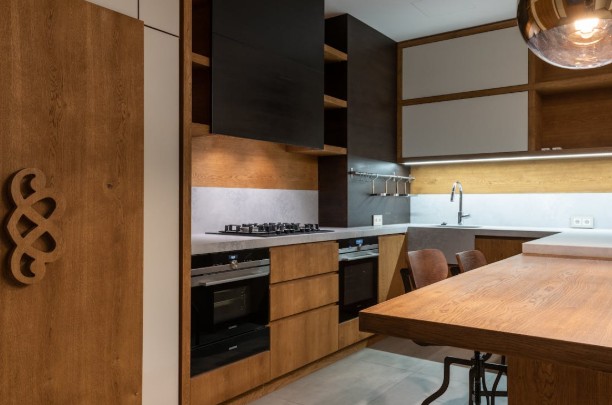
People notice furniture before they notice small finishes. They see the dining table, the shelving, and the desk first. Those pieces shape how the whole rental feels. That first look often stays with them during the tour.
A rental can feel settled or careless within seconds. Good furniture helps people picture their routines at home. It also makes the space feel easier to trust. That is why thoughtful pieces can help draw stronger applicants.
Well made furniture also does more than fill empty rooms. It supports comfort, daily use, and easier upkeep over time. Brands like Parkman Woodworks reflect that approach well. Their style fits rentals that aim for long term value, not quick visual fixes.
Better Furniture Improves First Impressions
The first impression starts online, long before a showing happens. Listing photos do a lot of early work for owners. Furniture helps those photos look warm, useful, and pulled together. It gives each room a clear purpose.
That response is not just a guess from landlords. The National Association of Realtors found that staging helps people picture a property as their future home. That same pattern carries into rental decisions as well. Good presentation helps people connect with the space faster.
What Prospects Notice Right Away
A few furniture details often shape how a rental feels during those first minutes. These details may seem small, but they change the mood fast.
A dining table that fits the room without crowding it
Shelving that adds storage without making walls feel heavy
A desk that looks useful for work or study
Seating that feels stable and easy to imagine using every day
Those details help people picture a normal life there. That feeling can raise interest before price even comes up. It can also help one unit stand out from similar listings nearby. For many landlords, that edge is worth protecting.
Good Materials Show Better Care
Most renters can spot cheap furniture without much effort. They notice peeling surfaces, shaky legs, and drawers that stick. Even one weak piece can lower confidence in the whole unit. It makes the property feel less cared for.
On the other hand, stronger furniture sends a different message. It suggests the owner thinks beyond the next lease signing. That same mindset shows up in design features that support tenant retention. Finish choices, layout, and durability all shape how long tenants stay.
Why Build Quality Changes Perception
Build quality influences how tenants read the rest of the property. It does that in a few direct ways.
Solid materials suggest fewer shortcuts across the home
Stable furniture helps the unit feel safe and dependable
Clean lines and good fit make rooms feel more intentional
Durable surfaces hint at lower wear over time
This does not replace proper screening or fair pricing. Still, it can shape who feels drawn to the home. Renters who value upkeep often respond to spaces that show care. That can help attract people who respect the property too.
Useful Furniture Helps Tenants Picture Daily Life
A good looking rental is helpful, but daily function keeps interest strong. People want to know where they will eat, work, and store things. They also want rooms that support real routines. Furniture helps answer those questions fast.
This is even more important now that many renters work from home sometimes. A steady desk or a practical table can change how useful a room feels. Smart furniture choices can also make smaller units feel easier to live in. That added function can support longer stays.
Before listing a furnished rental, it helps to review each room with daily use in mind. Owners do not need more furniture everywhere. They need the right pieces in the right places.
Focus On These Three Areas
The best furniture choices often support these daily needs first.
Dining space
The table should suit the room and still leave walking space. People notice crowding right away. A good fit makes the room feel calmer and easier to use.Work space
A proper desk helps renters picture remote work or school tasks. It should feel steady and look useful, not decorative. That can make even a small corner feel valuable.Storage space
Shelves, media units, and storage pieces should cut clutter without blocking light. Too much furniture makes rooms feel tight. Smart storage helps the home feel orderly and livable.
That kind of planning helps tenants picture staying longer. It also helps owners present a rental with more purpose. A room that works well usually leaves a stronger memory.
Durable Pieces Protect Income Between Leases
Furniture affects more than looks. It also affects what happens between one lease and the next. Turnover puts every weak item under pressure. Pieces get moved, cleaned, bumped, and reused again.
That is why material quality deserves real attention. The same thinking appears in this guide to rental flooring longevity. Durable finishes often cost less over time because they need fewer replacements. Furniture follows that same pattern in many rentals.
Owners sometimes focus too much on the upfront price. That can backfire after a few move ins and move outs. One sturdy table may outlast several cheaper ones. It may also keep the space looking better in listing photos.
Where Durability Pays Off Most
Some pieces take more daily wear than others. Those pieces deserve better materials and stronger build quality.
Dining tables used for meals, work, and daily drop zones
Desks that support computers and full day use
Bookshelves that hold weight and get moved during cleanouts
Entry benches or storage units used every day
Durable pieces can reduce replacement costs and touch up work. They can also help keep reviews stronger over time. When the home still looks good after several leases, the income picture gets steadier too.
Safety And Trust Grow From Better Choices
Tenants care about comfort, but they also watch for signs of reliability. Wobbly furniture, blocked paths, and broken storage can hurt trust fast. Those issues feel small until someone lives with them daily. Then they become hard to ignore.
Well placed furniture supports easier movement through the unit. Good pieces also lower the chance of avoidable wear or breakage. That fits with HUD guidance around housing that is safe, sanitary, and in good repair. Physical condition shapes the renter experience every single day.
Service also plays a role here. When residents can report damage through streamlined maintenance coordination, smaller issues get handled sooner. That keeps furniture and the rest of the unit in better shape.
Good furniture works best when owners support it with basic upkeep. Felt pads, quick tightening, and small repairs all help. Tenants notice when a property starts strong and stays that way. That kind of consistency builds trust.
What Owners Tend To See Over Time
Quality furniture helps attract ideal tenants because it improves first impressions and daily comfort. It also holds up better between leases and supports a more dependable rental experience. For owners, the payoff often shows in stronger presentation, steadier upkeep, and a home people can picture living in for longer.