



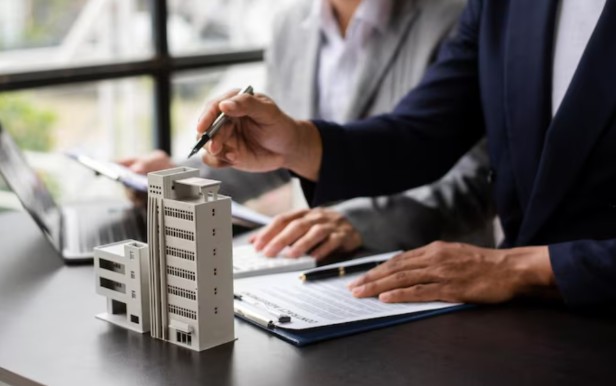
Managing a rental property involves much more than collecting rent. Landlords need to handle tenants, maintenance, finances, legal responsibilities, and the long-term condition of the property.
Even small issues can become costly if they are not handled early. Understanding the most common property management challenges can help landlords build better systems and manage rental properties more efficiently.
1. Finding Reliable Tenants
Choosing the right tenant is one of the most important responsibilities a landlord has. A poor decision can lead to missed payments, property damage, or repeated disputes.
Landlords should use a consistent screening process that may include income verification, rental history, references, and background checks where legally permitted.
The aim should be to find tenants who are financially prepared and likely to respect the lease terms.
2. Reducing Vacancy Periods
An empty rental property can quickly affect monthly income. However, landlords should avoid filling vacancies too quickly without proper screening.
It helps to prepare early by creating updated listings, taking clear property photos, reviewing the rental price, and completing repairs before the property becomes available.
Good planning can shorten the gap between tenants while still allowing enough time to choose a suitable applicant.
3. Handling Maintenance Requests
Maintenance problems are part of rental ownership. Plumbing leaks, electrical issues, broken appliances, and heating or cooling problems can happen at any time.
Landlords should have a simple process for tenants to report repairs and should identify which issues need urgent attention.
Keeping contact details for reliable contractors can also reduce delays. Quick action often prevents small problems from turning into larger and more expensive repairs.
4. Managing Rent Collection
Late rent can create cash-flow problems and make property expenses harder to manage.
The lease should clearly explain the due date, payment methods, and any applicable late-payment rules. Digital payment systems can make rent easier to track and provide a clear record of transactions.
Landlords should also follow the same payment process for every tenant and keep proper documentation when rent is delayed.
5. Maintaining Good Tenant Communication
Clear communication can prevent many common landlord-tenant problems.
Tenants should know how to report repairs, ask questions, give notice, and contact the landlord when necessary. Landlords should also communicate professionally and keep records of important discussions.
Written communication is particularly useful for matters related to maintenance, inspections, lease changes, and payments.
6. Keeping Up With Preventive Maintenance
Waiting until something breaks is rarely the best approach.
Regular inspections can help identify leaks, worn flooring, aging appliances, damaged seals, roof issues, drainage problems, and other concerns before they become serious.
A basic maintenance schedule can help landlords keep track of seasonal checks, safety equipment, heating systems, exterior areas, and other routine tasks.
Preventive maintenance can also help extend the useful life of important property features.
7. Coordinating Tenant Move-Ins and Move-Outs
Tenant turnover can be one of the busiest stages of property management. Cleaning, inspections, key collection, repairs, utility changes, and new tenant access may all need to happen within a short period.
A turnover checklist can make the process much easier.
Moving arrangements can also affect scheduling, especially in busy cities or apartment buildings.
For example, tenants may hire a Boston moving company to help manage transportation and building access. Landlords can support a smoother transition by clearly explaining move-in times, parking rules, elevator access, and property procedures.
Careful planning can reduce delays and help prepare the property for the next tenant.
8. Controlling Property Expenses
Rental properties involve both regular and unexpected costs.
Common expenses may include:
Routine maintenance
Emergency repairs
Insurance
Taxes
Appliance replacement
Professional services
Vacancy costs
Landlords should keep detailed financial records and maintain an emergency reserve where possible. This can make unexpected repairs easier to handle without affecting other property expenses.
9. Staying Compliant With Rental Rules
Landlords need to understand the laws and regulations that apply to rental properties.
These rules may cover security deposits, property conditions, tenant privacy, notices, inspections, discrimination, and eviction procedures.
Because requirements can vary by location, landlords should review their lease documents and management practices regularly. For complex legal matters, professional guidance may be the safer option.
10. Protecting Long-Term Property Value
Daily management often focuses on immediate problems, but landlords should also think about the future condition of the property.
Roofing, flooring, appliances, plumbing, paint, and heating or cooling systems eventually need repair or replacement.
Keeping records of installation dates, previous repairs, and inspection results can make long-term planning easier. It also allows landlords to budget for major expenses before they become urgent.
Conclusion
Property management comes with many ongoing responsibilities, from choosing tenants and collecting rent to handling maintenance and planning for future repairs.
Landlords who stay organized, communicate clearly, keep accurate records, and follow a consistent maintenance plan are better prepared to handle these challenges. A proactive approach can reduce unnecessary problems, protect the condition of the property, and create a smoother experience for both landlords and tenants.